
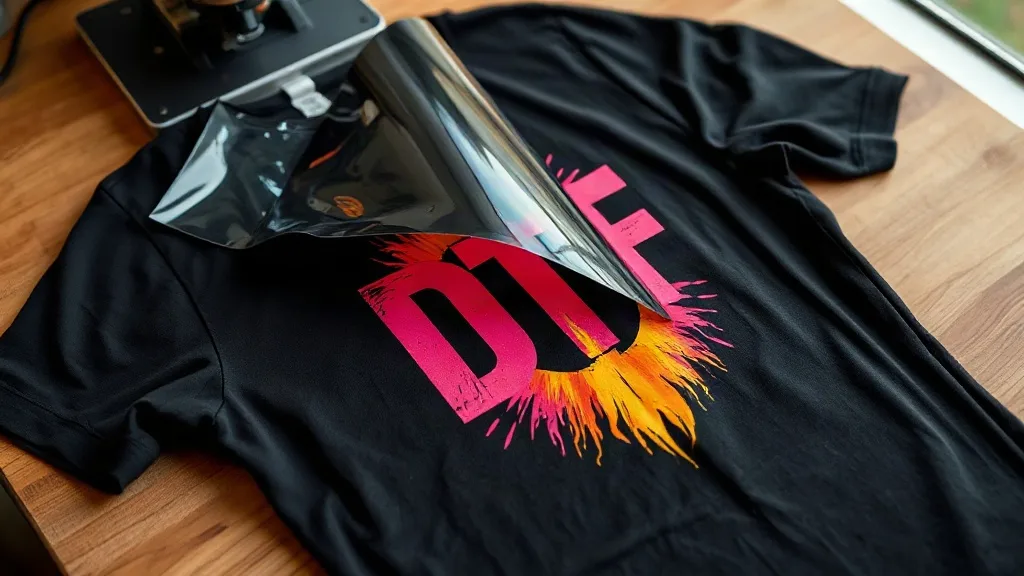
Custom apparel printing has exploded in popularity, and if you've been exploring options, you've likely come across dtf transfers. But what exactly are they, and why are they taking the printing world by storm? In this guide, we'll break down everything you need to know about DTF printing, from the basics to practical tips for getting started. Whether you're a hobbyist or a small business owner, understanding DTF technology can open up a world of creative possibilities.
What Are DTF Transfers?
DTF stands for Direct-to-Film. It's a printing method where your design is printed onto a special film, then coated with a powder adhesive and heat-pressed onto fabric. Unlike DTG (Direct-to-Garment) printing, which prints directly onto the shirt, DTF uses a transfer film as an intermediate step. This allows for vibrant, durable prints on a wide range of materials, including cotton, polyester, blends, and even some synthetics.
The process involves printing a mirror image of your design onto the film using specialized inks. While the ink is still wet, a hot-melt powder is applied, which will act as the adhesive when heat-pressed. Once the powder is shaken off and the film is cured, it's ready to be transferred onto a garment using a heat press. The result is a soft, stretchable print that can withstand repeated washing.
Why Choose DTF Transfers?
There are several reasons why DTF has become a go-to method for many printers. Here are some key benefits:
- Versatility: DTF works on almost any fabric, including dark colors and materials that are tricky for other methods. You're not limited to 100% cotton like with DTG.
- Durability: The prints are highly durable, resistant to cracking, peeling, and fading. With proper care, they can last as long as the garment itself.
- Vibrancy: DTF inks produce bright, bold colors, even on dark backgrounds. The white ink layer ensures opacity and pop.
- Low startup cost: Compared to screen printing, DTF requires a lower initial investment. You don't need screens or setup fees, making it ideal for short runs and one-offs.
- No weeding: Unlike vinyl, there's no tedious weeding process. Just print, powder, and press.
These advantages make DTF a fantastic option for small businesses, crafters, and anyone looking to create custom apparel quickly and affordably.
How DTF Transfers Work: Step by Step
Curious about the process? Here's a simplified breakdown of how dtf transfers are made and applied:
- Design Preparation: Create your artwork and print it onto DTF film using a DTF printer. Remember to mirror the image.
- Powder Application: While the ink is wet, apply the hot-melt powder evenly over the design. Shake off excess.
- Curing: Heat the film to melt the powder, which creates the adhesive layer. This can be done with a heat press or a curing oven.
- Transfer: Place the cured film onto your fabric and heat-press at the recommended temperature and pressure. The powder melts and bonds with the fabric.
- Peel: Once cooled, peel away the film to reveal your vibrant, durable print.
Each step requires attention to detail, but with practice, it becomes second nature. The key is to follow the specific settings for your printer, powder, and heat press.
Getting Started with DTF Printing
If you're ready to dive into DTF, here's what you'll need:
- DTF Printer: A dedicated DTF printer or a converted inkjet printer with DTF inks. Prices vary, but entry-level options exist.
- DTF Film: Special coated film that holds the ink and powder. Available in sheets or rolls.
- Hot-Melt Powder: The adhesive that makes the transfer stick. Choose the right particle size for your design.
- Heat Press: A reliable heat press is essential for curing and transferring. Ensure it can reach the required temperature (usually around 160°C or 320°F).
- Design Software: Any graphic design software will work, but ensure your printer is compatible.
Start with a small setup and practice on scrap fabric. Once you're comfortable, you can scale up. Many suppliers offer starter kits that include everything you need.
Tips for Perfect DTF Transfers
To achieve professional results, keep these tips in mind:
- Pre-press your garment: This removes moisture and wrinkles, ensuring a smooth application.
- Use the right pressure: Too little pressure and the transfer won't adhere; too much and the print may spread. Medium pressure is usually best.
- Mind the temperature: Follow the powder and film manufacturer's recommendations. Overheating can cause scorching or poor adhesion.
- Peel correctly: Wait for the transfer to cool completely before peeling for a matte finish, or peel hot for a glossy effect (check your film's instructions).
- Wash inside out: To prolong the life of your print, wash garments inside out in cold water and avoid harsh detergents.
These small details make a big difference in the quality and longevity of your prints.
Finding DTF Transfers Near You
If you don't want to invest in your own equipment, you can order custom transfers from professional services. Searching for dtf transfers near me can help you locate a local provider who can print and ship transfers directly to you. This is a great option for those who want high-quality prints without the hassle of production. Many online services also offer this, so you can compare prices and turnaround times.
When choosing a provider, look for clear instructions, good reviews, and samples if possible. A reliable partner can save you time and ensure consistent results.
Common Mistakes to Avoid
Even experienced printers can slip up. Here are some pitfalls to watch out for:
- Using the wrong powder: Not all powders are created equal. Use one designed for DTF and match the particle size to your design details.
- Skipping the cure: Uncured powder will not adhere properly, leading to wash-off.
- Inconsistent pressure: Invest in a quality heat press with even pressure distribution.
- Ignoring fabric type: While DTF works on many fabrics, some may require adjusted settings. Always test first.
By avoiding these mistakes, you'll save time and materials.
Frequently Asked Questions
What is the difference between DTF and DTG printing?
DTF (Direct-to-Film) uses a transfer film and powder adhesive, while DTG (Direct-to-Garment) prints directly onto the fabric. DTF works on more materials, including polyester and blends, and often produces more vibrant colors on dark shirts. DTG is typically limited to cotton and may require pre-treatment.
Can I use DTF transfers on dark-colored shirts?
Absolutely! DTF transfers include a white ink layer that provides a bright, opaque base, making them perfect for dark fabrics. The colors remain vibrant and true to your design.
How long do DTF transfers last?
With proper application and care, DTF prints can last for years. They are resistant to cracking and fading. Wash the garment inside out in cold water and avoid ironing directly over the print to maximize longevity.
Do I need a special printer for DTF?
Yes, you need a DTF printer or a printer converted to use DTF inks. Standard inkjet printers cannot handle the required inks and film. However, you can also order transfers from professional services if you don't want to invest in equipment.
Where can I find DTF transfers near me?
Search online for local DTF printing services or use directories to find providers in your area. Many companies offer custom transfers with quick turnaround and shipping. You can also check with local print shops to see if they offer DTF services.