
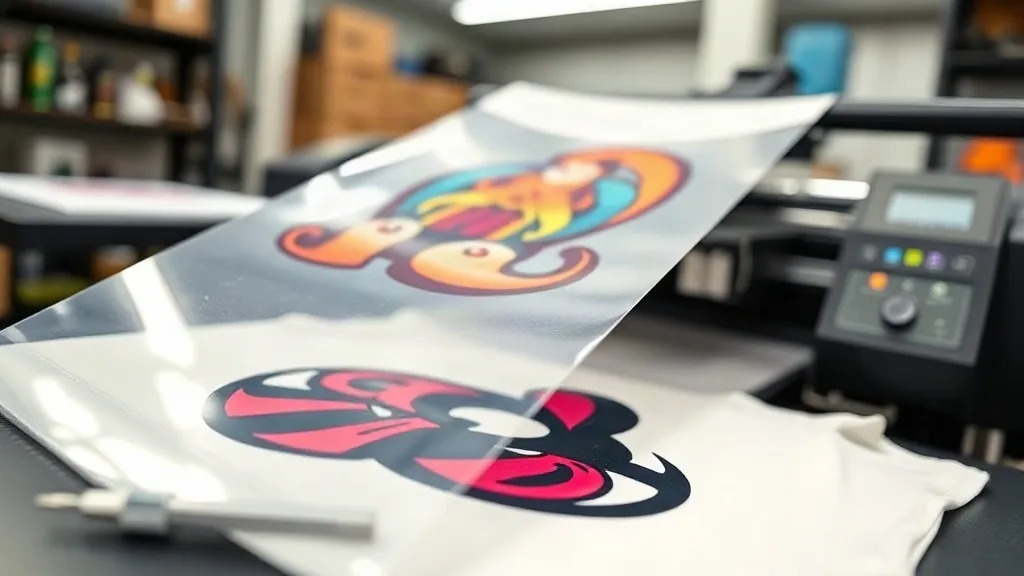
If you have ever wanted to print vibrant, full-color designs onto t-shirts, hoodies, or tote bags without the hassle of traditional screen printing or the limitations of vinyl, dtf printing is the answer. Direct-to-film, or dtf, is a relatively new digital printing technology that has taken the custom apparel world by storm. Unlike direct-to-garment (DTG) printing, which prints directly onto the fabric, DTF printing first prints your design onto a special film, then transfers it to the garment using a heat press. This two-step process opens up a world of possibilities, allowing you to print on almost any fabric, including cotton, polyester, blends, and even nylon. In this guide, we will dive deep into what DTF printing is, how it works, and why dtf transfers are becoming the go-to choice for small businesses, crafters, and large-scale manufacturers alike.
What Is DTF Printing?
DTF printing stands for Direct-to-Film. It is a digital printing method where a design is printed onto a PET film using specialized inks. The process involves printing a layer of white ink, followed by a layer of CMYK inks, and then a layer of adhesive powder. The film is then cured, and the design is transferred to the fabric using a heat press. The adhesive powder melts and bonds the ink to the fabric, creating a durable, stretchable, and vibrant print. Unlike DTG, DTF does not require pre-treatment of the garment, and it works on a much wider range of materials. This makes it an incredibly versatile solution for custom apparel.
How DTF Transfers Work: Step by Step
Understanding the DTF transfer process can help you appreciate why it delivers such consistent results. Here is a breakdown of the steps involved:
- Design Preparation: Your artwork is prepared in a graphics program. The design is mirrored (flipped horizontally) so it reads correctly when transferred.
- Printing: The design is printed onto a special film. First, a layer of white ink is applied, then the color inks (CMYK) are printed on top. Some printers also add a second white layer for opacity on dark fabrics.
- Powdering: While the ink is still wet, a fine thermoplastic powder (adhesive) is applied evenly over the printed area. Excess powder is shaken off.
- Curing: The film is then heated to melt the powder, creating a smooth, dry surface. This step is crucial for durability.
- Transfer: The cured film is placed onto the garment and pressed with a heat press at a specific temperature and pressure for a set time. The adhesive bonds with the fabric.
- Peeling: After pressing, the film is peeled away (hot or cold peel, depending on the film type), leaving the design permanently adhered to the garment.
Each step requires attention to detail, but once mastered, DTF transfers produce stunning, long-lasting prints.
Why Choose DTF Transfers Over Other Methods?
DTF transfers offer several advantages that make them stand out:
- Versatility: Works on cotton, polyester, blends, nylon, leather, and more. No need for different inks or pretreatments.
- Vibrancy: The white ink base ensures colors pop, even on dark garments.
- Durability: When applied correctly, DTF prints withstand repeated washing without fading, cracking, or peeling.
- Stretchability: The prints stretch with the fabric, making them ideal for activewear and stretchy materials.
- Cost-Effective for Small Runs: No minimum order quantities, making it perfect for one-off designs or small batches.
- No Weeding: Unlike vinyl, there is no tedious weeding process, saving time and labor.
- Fine Details: DTF can reproduce intricate details, gradients, and photographic images with high fidelity.
These benefits have made dtf transfers a popular choice for businesses looking to offer custom apparel quickly and efficiently.
Applications of DTF Printing
DTF printing is not limited to t-shirts. Its versatility allows for a wide range of applications:
- Apparel: T-shirts, hoodies, sweatshirts, polo shirts, jackets, and more.
- Accessories: Tote bags, hats, caps, and beanies.
- Home Decor: Pillowcases, blankets, and wall hangings.
- Sportswear: Jerseys, leggings, and performance wear.
- Promotional Items: Corporate giveaways, event merchandise, and team uniforms.
The ability to print on diverse materials means you can offer customized products for any niche.
Getting Started with DTF Printing
If you are considering adding DTF printing to your business, here is what you need:
Equipment
- DTF Printer: A dedicated DTF printer with white ink circulation and reliable print heads.
- Heat Press: A commercial-grade heat press capable of consistent temperature and pressure.
- Curing Oven or Heat Gun: For melting the adhesive powder.
- DTF Film and Powder: High-quality consumables are essential for good results.
- RIP Software: To manage color profiles and print settings.
Skills and Knowledge
While DTF printing is relatively straightforward, mastering it requires practice. You need to understand color management, proper powder application, and heat press settings. Many suppliers offer training and support to help you get started.
Tips for Perfect DTF Transfers
To achieve professional-looking results, keep these tips in mind:
- Use Quality Film: Cheap film can cause ink bleeding or poor adhesion.
- Control Humidity: Excess moisture can affect powder adherence. Store film and powder in a dry environment.
- Test Your Heat Press: Every heat press is different. Use a temperature gun to verify actual platen temperature.
- Pre-Press Garments: Remove wrinkles and moisture before transferring.
- Follow Powdering Best Practices: Apply an even layer of powder and shake off excess thoroughly.
- Cure Properly: Undercuring leads to wash-off; overcuring can cause the film to warp.
- Peel at the Right Temperature: Some films require hot peel, others cold. Follow the manufacturer's instructions.
- Wash Inside Out: Advise customers to wash garments inside out in cold water and avoid ironing directly on the print.
Frequently Asked Questions About DTF Printing
What is the difference between DTF and DTG printing?
DTG prints directly onto the garment, while DTF prints onto a film that is then transferred. DTF works on more fabrics and doesn't require pretreatment, but DTG can be more efficient for 100% cotton items in large volumes.
How long do DTF transfers last?
With proper application and care, DTF transfers can last as long as the garment itself. They are highly durable and resistant to cracking and fading.
Can I use DTF on dark colors?
Yes, DTF is excellent for dark fabrics because the white ink base provides a bright underlayer that makes colors pop.
Do I need a special printer for DTF?
Yes, DTF requires a printer that supports white ink and is designed for DTF film. You can convert some inkjet printers, but dedicated DTF printers are recommended for best results.
Is DTF printing cost-effective for small businesses?
Absolutely. DTF has low setup costs and no minimum order requirements, making it ideal for small businesses and startups.
Final Thoughts
DTF printing is a game-changer in the custom apparel industry. Its versatility, durability, and vibrant results make it a top choice for anyone looking to create custom products. Whether you are a small business owner, a craft enthusiast, or a large manufacturer, dtf transfers offer a reliable and cost-effective solution. With the right equipment and a bit of practice, you can produce professional-quality garments that impress your customers. So why wait? Dive into the world of DTF printing and elevate your custom apparel game today.