
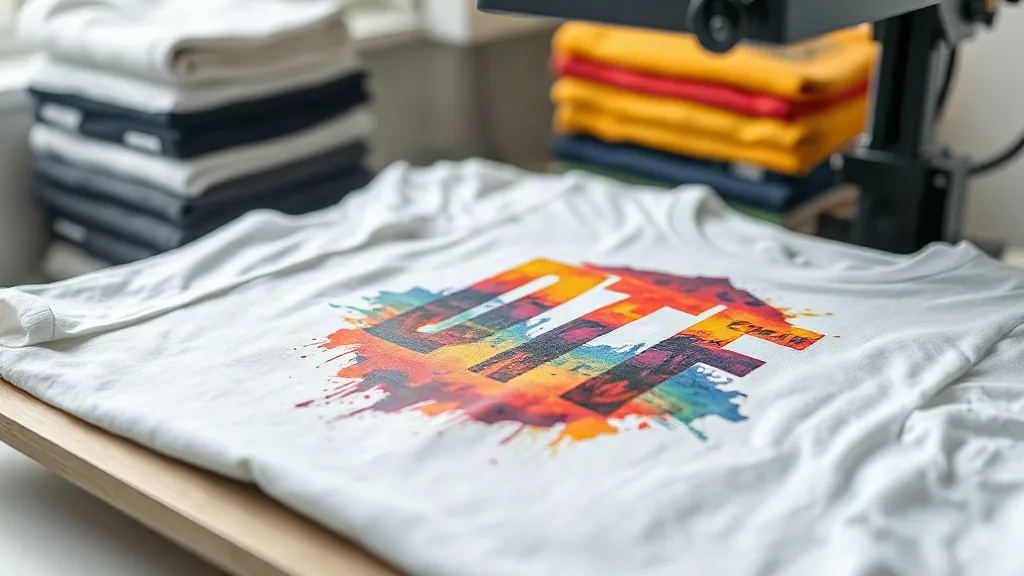
If you've been exploring custom apparel printing, you've likely encountered the term dtf. Direct-to-Film printing is changing the game for small businesses, hobbyists, and anyone wanting to create professional-looking garments without the complexity of traditional methods. Unlike screen printing or heat transfer vinyl, dtf transfers offer a unique combination of vibrant colors, intricate detail, and fabric versatility that makes them a go-to choice for modern print shops.
In this guide, we'll walk through what DTF transfers are, how they work, and why they might be the perfect solution for your next project. Whether you're printing t-shirts for a family reunion or launching a clothing line, understanding this technology can save you time and money while delivering impressive results.
What Are DTF Transfers?
DTF stands for Direct-to-Film. It's a printing method where your design is printed onto a special film using water-based inks, then coated with a hot-melt adhesive powder. Once the powder is melted, the transfer is ready to be applied to fabric using a heat press. The film acts as a carrier, allowing the design to be transferred onto various materials, including cotton, polyester, blends, and even leather.
The process is relatively simple: design, print, powder, cure, and press. But the magic lies in the results. DTF transfers produce bright, opaque colors that stand out on both light and dark fabrics. They also stretch and move with the garment, so you don't have to worry about cracking or peeling like with some other methods.
Why Choose DTF Transfers Over Other Methods?
There are several printing techniques out there, each with its own strengths. So why should you consider DTF? Let's break down the key advantages.
1. No Weeding Required
If you've ever worked with heat transfer vinyl (HTV), you know the pain of weeding tiny details. DTF eliminates that step entirely. You print your design, powder it, and press it. That's it. This saves hours of tedious work, especially for complex designs with lots of small elements.
2. Works on Almost Any Fabric
Unlike DTG (Direct-to-Garment) printing, which typically requires 100% cotton, DTF adheres well to polyester, cotton-poly blends, and even treated nylon. This makes it a versatile option for printing on various garments, from performance wear to canvas bags.
3. Vibrant Colors and Fine Details
DTF printers use CMYK plus white ink, allowing for full-color designs with gradients, photographs, and fine lines. The white ink layer ensures that colors pop on dark backgrounds, and the high resolution means even the smallest text remains legible.
4. Durable and Washable
When applied correctly, DTF transfers withstand dozens of washes without fading or cracking. The adhesive powder creates a strong bond with the fabric fibers, so the print remains intact even after repeated wear.
How to Apply DTF Transfers: Step-by-Step
Applying DTF transfers is straightforward, but following the right steps ensures a professional finish. Here's what you need to do:
- Preheat your heat press. Set the temperature to around 300-320°F (150-160°C).
- Pre-press the garment. This removes moisture and wrinkles, creating a smooth surface.
- Position the transfer. Place the DTF film on the garment with the printed side facing up.
- Press. Apply medium pressure for 10-15 seconds.
- Peel. Wait for the film to cool completely before peeling it off. This is a cold peel process.
- Post-press (optional). For extra durability, cover the design with parchment paper and press again for 5-10 seconds.
That's it! You've got a vibrant, long-lasting print.
Common Mistakes to Avoid with DTF Transfers
Even though DTF is forgiving, a few missteps can ruin your results. Watch out for these:
- Not pre-pressing: Skipping this step can cause the transfer to adhere poorly.
- Peeling too soon: If you peel while the transfer is still hot, the design may stretch or leave residue.
- Using too much pressure: This can cause the ink to spread, resulting in a blurry image.
- Incorrect temperature: Too low and the adhesive won't activate; too high and you might scorch the fabric.
Always test on a scrap piece of fabric first to dial in your settings.
DTF vs. Other Printing Methods: A Quick Comparison
How does DTF stack up against screen printing, DTG, and vinyl? Here's a snapshot:
- Screen Printing: Great for bulk orders, but setup costs are high and it's not cost-effective for small runs.
- DTG: Excellent for detailed designs on cotton, but limited to natural fabrics and can be pricey.
- Vinyl: Ideal for simple, single-color designs, but weeding is time-consuming and layering can be bulky.
- DTF: No minimums, works on many fabrics, and handles complex designs with ease.
For one-off projects or small batches, DTF often comes out on top.
Getting Started with DTF Printing
Ready to dive in? You'll need a few essentials:
- DTF printer: Dedicated DTF printers are available, or you can convert certain inkjet printers with DTF ink and film.
- DTF film: Available in sheets or rolls, both cold and hot peel varieties.
- Adhesive powder: Typically TPU-based, this is what makes the transfer stick.
- Heat press: A quality heat press ensures even temperature and pressure.
- Curing oven or heat gun: To melt the powder after printing.
If you're not ready to invest in equipment, many online services offer custom DTF transfers. You simply upload your design, and they ship the ready-to-press transfers to you. This is a great way to test the waters before committing to a full setup.
Tips for Perfect DTF Transfers Every Time
Here are some pro tips to elevate your DTF game:
- Use high-quality film: Cheaper films can cause ink flaking or poor adhesion.
- Store transfers properly: Keep them in a cool, dry place away from direct sunlight.
- Adjust for fabric type: Polyester may require lower temperature to avoid scorching.
- Clean your printer regularly: Clogged nozzles lead to banding and inconsistent prints.
With practice, you'll develop a feel for what works best with your equipment and materials.
Frequently Asked Questions About DTF Transfers
How long do DTF transfers last?
When applied correctly, DTF transfers can last as long as the garment itself, often 50+ washes. Proper washing inside out in cold water and avoiding bleach will extend the life.
Can I stretch DTF transfers?
Yes, DTF transfers have some stretchability, making them suitable for stretchy fabrics like spandex blends. However, excessive stretching may cause cracking over time.
Do I need a special printer for DTF?
You can use a dedicated DTF printer or convert a compatible inkjet printer with DTF ink and film. Many beginners start with a converted Epson printer.
What fabrics work best with DTF?
DTF works on cotton, polyester, blends, leather, and more. It's especially good for polyester and blends where DTG struggles.
Can I layer DTF transfers?
Yes, you can layer DTF transfers, but it's best to press each layer separately and ensure proper adhesion before adding the next. Keep in mind that layering may make the design thicker.
Final Thoughts
DTF transfers are a game-changer for anyone in the custom apparel industry. They offer unmatched versatility, vibrant results, and ease of use. Whether you're a seasoned pro or just starting, incorporating DTF into your workflow can open up new creative possibilities. So why not give it a try? Your customers will love the quality, and you'll love the simplicity.