
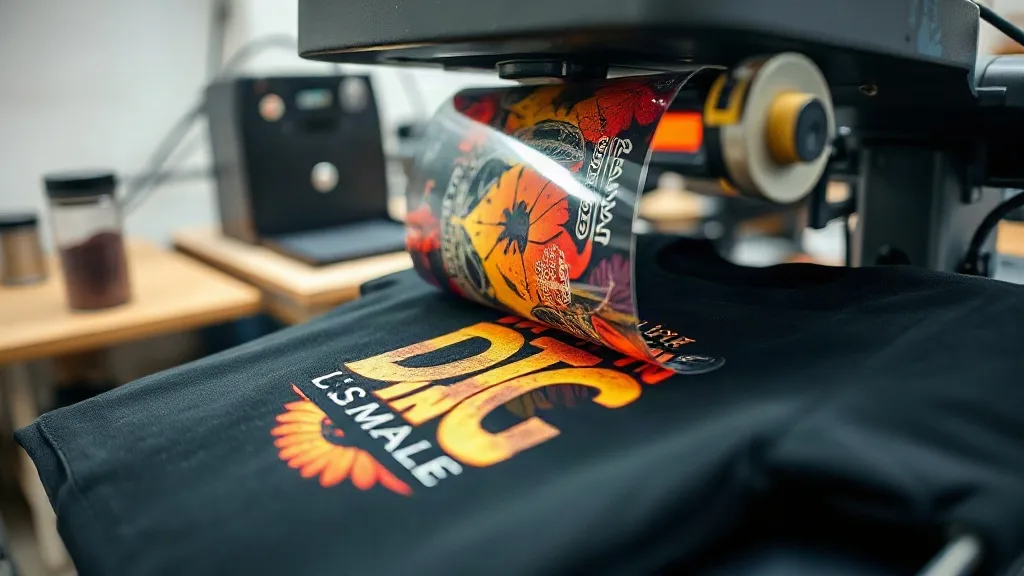
Imagine pressing a design onto a cotton t-shirt, a polyester hoodie, or even a canvas tote, and watching it come out with colors so vivid they seem to glow. That's the magic of dtf transfers, a game-changing technology that has taken the custom apparel world by storm. Whether you're a hobbyist crafter or a seasoned print professional, understanding DTF (Direct to Film) printing opens up a world of possibilities. In this guide, we'll walk you through everything you need to know about DTF transfers, from the basics to pro tips, so you can achieve stunning, long-lasting results every time.
What Are DTF Transfers?
DTF stands for Direct to Film. It's a printing method where your design is printed onto a special film using a DTF printer, then coated with a powdered adhesive, and finally heat-pressed onto fabric. Unlike other methods that require specific fabric types, DTF works on almost any material, including cotton, polyester, blends, and even leather. The process is relatively simple: print, powder, cure, and press. The result? A soft, stretchable print that withstands repeated washing without cracking or fading.
The DTF Printing Process Step by Step
1. Design Preparation
Start with a high-resolution image. DTF printers can handle intricate details and gradients beautifully, so don't shy away from complex designs. Just ensure your file is at least 300 DPI for crisp output.
2. Printing onto Film
The DTF printer lays down a layer of white ink followed by CMYK colors onto a PET film. The white ink acts as a base, allowing the colors to pop on dark fabrics. This is a crucial step because it eliminates the need for pre-treatment, which is common in DTG printing.
3. Powder Application
While the ink is still wet, a hot-melt adhesive powder is sprinkled over the film. The powder sticks to the wet ink, and excess is shaken off. This adhesive will later bond the design to the fabric.
4. Curing
The film is then heated to melt the powder, creating a smooth, dry surface. This curing step is essential for durability; it ensures the adhesive will activate properly during heat pressing.
5. Heat Pressing
Finally, the transfer is placed on the fabric and pressed with a heat press at around 160°C (320°F) for 10-15 seconds. Once cooled, the film is peeled away, leaving a vibrant, flexible print.
Why Choose DTF Transfers?
There are several compelling reasons to consider DTF for your next project:
- Versatility: Works on virtually any fabric, including dark colors and synthetic materials.
- Durability: Prints resist cracking, peeling, and fading even after multiple washes.
- No Pre-treatment: Saves time and money compared to DTG printing.
- Vibrant Colors: The white ink base ensures bright, opaque colors on any background.
- Cost-effective for Small Runs: No need for screens or plates, making short runs economical.
DTF vs. Other Printing Methods
How does DTF stack up against screen printing, DTG, and vinyl? Here's a quick comparison:
- Screen Printing: Great for large orders of simple designs, but expensive for small runs and limited to certain fabrics. DTF is more flexible for small batches and complex art.
- DTG (Direct to Garment): Best for 100% cotton, but requires pre-treatment and can be less vibrant on dark shirts. DTF excels on dark and synthetic fabrics.
- Vinyl (HTV): Ideal for simple shapes and text, but not for detailed images. DTF handles intricate designs with ease.
Tips for Perfect DTF Transfers
To get the best results, keep these tips in mind:
- Use Quality Film and Powder: Cheap materials can lead to poor adhesion and dull colors.
- Control Moisture: Humidity affects powder application; store film in a dry place.
- Pre-press Fabric: Remove wrinkles and moisture from the garment before pressing.
- Adjust Pressure and Temperature: Follow your transfer supplier's recommendations for perfect bonding.
- Cold Peel: Always let the transfer cool completely before peeling for a smooth finish.
Finding DTF Transfers Near You
If you're looking to try DTF but don't want to invest in equipment, you can order custom transfers online or search for dtf transfers near me to find local services. Many print shops now offer DTF transfer services, allowing you to press them onto your own garments. When ordering, provide high-resolution files and specify the fabric type to ensure compatibility.
Common Questions About DTF Transfers
Can I use DTF transfers on 100% polyester?
Yes, DTF works excellently on polyester. The low pressing temperature (around 160°C) prevents the fabric from scorching, and the print adheres well.
How do I wash garments with DTF prints?
Turn the garment inside out and machine wash cold. Avoid bleach and tumble dry on low. Following these care instructions will keep your prints looking new for years.
What is the minimum order for custom DTF transfers?
Many suppliers offer no minimum, so you can order just one transfer. This makes DTF perfect for sampling or one-off projects.
Can I layer DTF transfers?
Yes, you can layer multiple transfers, but it's best to press each layer separately and ensure proper adhesion. Use a cover sheet to protect the design.
How long does DTF printing last?
With proper care, DTF prints can last as long as the garment itself. The prints are resistant to cracking and fading, even after 50+ washes.
DTF transfers have democratized custom apparel printing, making it accessible to everyone from home crafters to large businesses. With its versatility, durability, and vibrant results, it's no wonder DTF is becoming the go-to method for fabric printing. Whether you're creating personalized gifts or launching a clothing line, DTF transfers offer a reliable and impressive solution. So why not give it a try? Your designs deserve the best, and DTF delivers.