
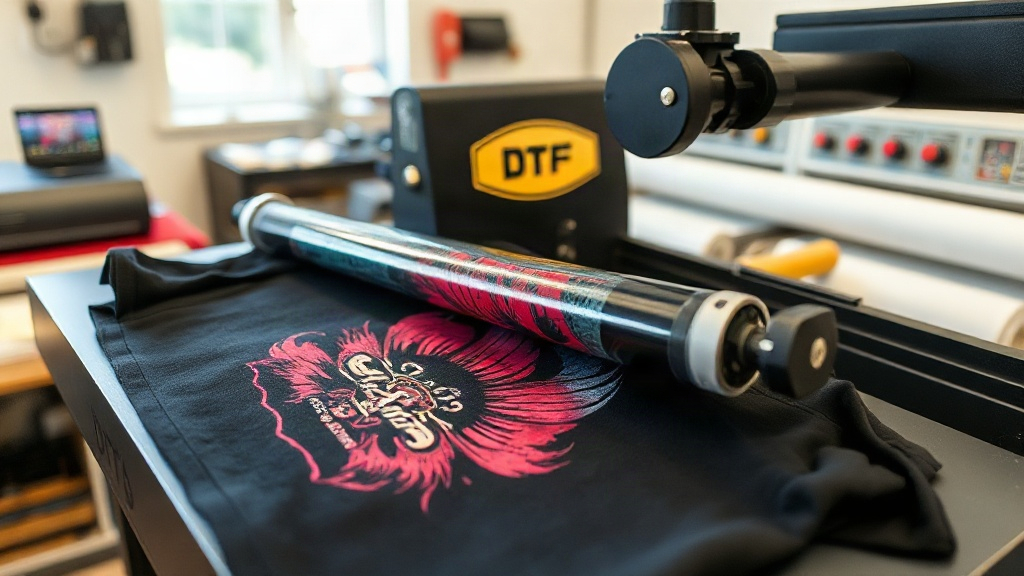
If you're in the custom apparel business, you've likely heard the buzz around DTF transfers. This innovative printing technology is quickly becoming the go-to method for creating vibrant, durable designs on a wide range of fabrics. Unlike traditional methods that require specific materials or extensive setup, DTF offers a versatile and cost-effective solution for both small businesses and large-scale operations.
What Is DTF Printing?
DTF stands for Direct-to-Film. It's a printing process where your design is printed onto a special film, coated with a powdered adhesive, and then heat-pressed onto the fabric. The result is a soft, flexible print that bonds permanently to the material. This method eliminates the need for weeding, cutting, or layering, making it a streamlined alternative to vinyl and screen printing.
Why DTF Transfers Are Taking Over the Custom Apparel Industry
The rise of DTF isn't just a trend; it's a shift driven by real advantages that address common pain points in apparel decoration.
1. Unmatched Versatility Across Fabrics
One of the biggest frustrations with heat transfer vinyl (HTV) is that it doesn't adhere well to certain materials like nylon, leather, or treated polyester. DTF transfers, however, bond beautifully to cotton, polyester, blends, and even some synthetic fabrics. This means you can offer your customers a wider range of apparel options without worrying about compatibility.
2. Vibrant, Full-Color Designs with Fine Detail
DTF printing uses CMYK plus white ink, allowing for incredibly detailed, photorealistic images with gradients, shadows, and fine lines. Unlike screen printing, which requires a separate screen for each color, DTF can reproduce complex artwork in a single pass. The white ink layer ensures that colors pop even on dark garments, maintaining opacity and brightness.
3. Durability That Withstands the Wash
Properly applied DTF transfers are known for their longevity. The adhesive powder creates a strong bond that resists cracking, peeling, and fading. When cared for correctly, a DTF print can outlast the garment itself. This durability is a major selling point for customers who want their custom apparel to look great for years.
4. Cost-Effective for Short Runs and One-Offs
Traditional screen printing becomes economical only at higher quantities due to setup costs. DTF shines for small batches, sample orders, and personalized items. There's no minimum order quantity, and you can print a single design without wasting materials. This makes it perfect for small businesses, Etsy sellers, and promotional events.
5. Simplified Workflow
With DTF, you skip the time-consuming steps of weeding and masking. The process is straightforward: print, powder, cure, and press. This efficiency allows you to take on more orders and reduce turnaround times, giving you a competitive edge.
How to Get Started with DTF Transfers
Ready to incorporate DTF into your business? Here's what you need:
- DTF Printer: A dedicated DTF printer with white ink capability. Entry-level models are available for those new to the technology.
- DTF Film: Special PET film that holds the printed design and adhesive.
- Adhesive Powder: A thermoplastic powder that melts and bonds the ink to the fabric.
- Heat Press: A reliable heat press capable of consistent temperature and pressure.
- Curing Oven or Heat Gun: To melt the powder evenly before pressing.
Step-by-Step DTF Transfer Process
- Design Preparation: Create or import your artwork in CMYK. Mirror the image if your printer requires it.
- Printing: Print the design onto the DTF film using your printer. Ensure the white ink layer is properly laid down.
- Powder Application: While the ink is still wet, sprinkle the adhesive powder evenly over the print. Shake off excess.
- Curing: Place the film in a curing oven or use a heat gun to melt the powder until it becomes glossy. This typically takes 2-3 minutes at 320°F (160°C).
- Heat Pressing: Pre-press the garment to remove moisture. Place the transfer on the fabric and press at 320°F (160°C) for 15-20 seconds with medium pressure.
- Peeling: Allow the transfer to cool completely before peeling off the film. This ensures the adhesive sets properly.
Common Pitfalls and How to Avoid Them
Even though DTF is user-friendly, some mistakes can compromise quality. Here are a few to watch out for:
- Insufficient Powder: If you don't apply enough adhesive powder, the transfer may peel. Use a generous amount and shake off only the excess.
- Uneven Curing: Under-cured powder leads to poor adhesion. Ensure the powder melts completely and becomes shiny.
- Wrong Pressure or Temperature: Follow the manufacturer's recommendations for your heat press. Too little pressure or heat can cause the transfer to fail.
- Peeling Too Soon: Always let the transfer cool before peeling. Hot peel can distort the design.
DTF vs. Other Printing Methods
How does DTF stack up against DTG, screen printing, and HTV? Here's a quick comparison:
- DTG (Direct-to-Garment): Best for 100% cotton, but requires pre-treatment and can be slow. DTF works on more fabrics and often has better durability.
- Screen Printing: Cost-effective for large orders but expensive for small runs. DTF wins for short runs and complex designs.
- HTV (Heat Transfer Vinyl): Great for simple, single-color designs but limited in detail and fabric compatibility. DTF offers full-color, detailed prints on almost any fabric.
Frequently Asked Questions About DTF Transfers
How long do DTF transfers last?
When applied correctly and cared for properly, DTF transfers can last as long as the garment. Wash inside out in cold water and avoid harsh detergents to maximize longevity.
Can I use DTF on 100% polyester?
Yes, DTF adheres well to polyester, including athletic wear and performance fabrics. However, lower pressing temperatures may be needed to prevent scorching.
Do I need a special printer for DTF?
You can convert some inkjet printers to DTF with DTF inks and a bulk ink system, but dedicated DTF printers offer better reliability and print quality.
Is DTF eco-friendly?
DTF uses water-based inks and produces less waste compared to screen printing. However, the PET film and plastic powder do have environmental considerations. Look for biodegradable films and eco-friendly powders as they become available.
What fabrics can I use with DTF?
DTF works on cotton, polyester, blends, nylon, leather, and more. It's not recommended for fabrics with heavy coatings or water-repellent finishes.
Final Thoughts
DTF transfers are transforming the custom apparel industry by offering a versatile, durable, and cost-effective solution for vibrant designs. Whether you're a small business owner or a large manufacturer, incorporating DTF into your workflow can expand your capabilities and delight your customers. With the right equipment and a bit of practice, you'll be producing high-quality custom apparel in no time.