
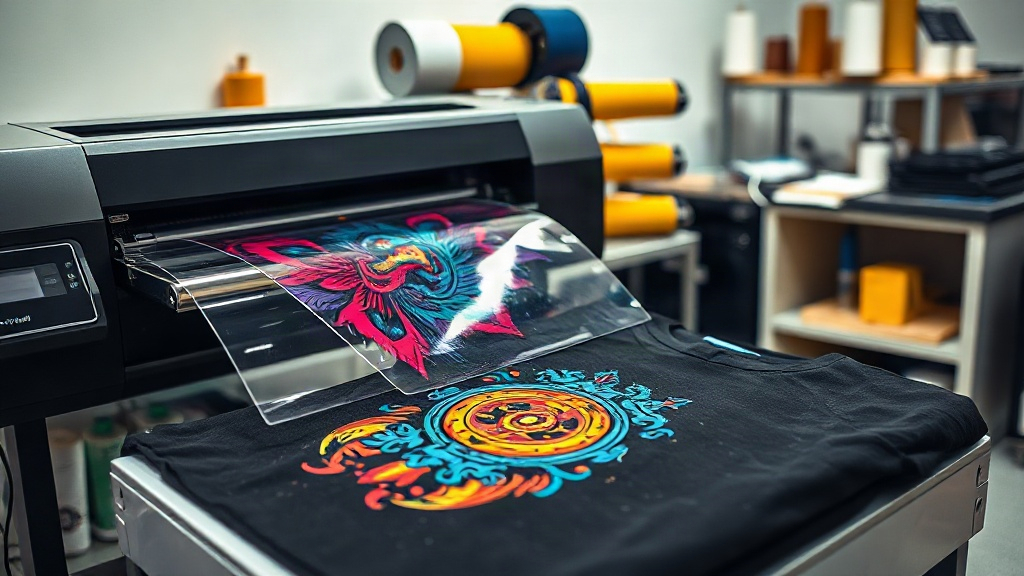
If you've been exploring custom apparel printing, you've likely encountered DTF printing. Short for Direct-to-Film, this technology has rapidly gained popularity among hobbyists and professionals alike. But what exactly makes DTF printing so special? In this guide, we'll dive deep into the world of DTF transfers, covering everything from the basics to advanced tips, so you can decide if it's the right fit for your next project.
What is DTF Printing?
DTF printing is a digital printing method where your design is printed onto a special film, coated with a heat-activated adhesive powder, and then transferred onto fabric using a heat press. Unlike other methods like DTG (Direct-to-Garment) or screen printing, DTF doesn't require pretreating the garment or using specialized inks for different fabric colors. This versatility is a game-changer for small businesses and creators who want to offer a wide range of products without investing in multiple techniques.
How Does DTF Printing Work?
The DTF process involves several key steps:
- Design Preparation: Your artwork is prepared digitally, ensuring it's mirrored and sized appropriately.
- Printing: A specialized DTF printer lays down white ink as a base, followed by CMYK colors, onto a PET film. The white ink acts as an opaque layer, allowing the design to show up vividly on dark fabrics.
- Powdering: While the ink is still wet, a thermoplastic powder is applied over the print. The excess powder is shaken off, leaving a thin, even layer adhered to the ink.
- Curing: The film is then heated to melt the powder, which creates a flexible, durable bond between the ink and the fabric once transferred.
- Transfer: Finally, the film is placed on the garment and pressed with a heat press. After cooling, the film is peeled away, leaving a soft, vibrant design.
Each step requires attention to detail, but the overall process is surprisingly straightforward, making DTF printing accessible even for beginners.
Why Choose DTF Printing?
There are several compelling reasons to consider DTF printing for your custom apparel needs:
- Works on Almost Any Fabric: From cotton and polyester to blends, leather, and even nylon, DTF transfers adhere well to a wide range of materials. This flexibility means you can offer diverse products without changing your workflow.
- No Pretreatment Required: Unlike DTG, which often requires pretreating the garment for best results, DTF skips this step entirely. This saves time, money, and mess.
- Vibrant Colors on Dark Garments: The white ink base ensures that colors pop even on black or dark-colored fabrics, something that can be challenging with other methods.
- Durability: When applied correctly, DTF prints are highly durable, withstanding repeated washing without fading or cracking.
- Cost-Effective for Small Batches: Unlike screen printing, which requires setup costs per color, DTF is economical for short runs and one-off designs.
- Soft Hand Feel: Advances in DTF technology have led to transfers that are thin and flexible, providing a comfortable wear experience.
DTF vs. Other Printing Methods
How does DTF stack up against DTG, screen printing, and vinyl? Let's compare:
- DTF vs. DTG: DTG is great for 100% cotton and can produce very soft prints, but it requires pretreatment and often struggles with polyester. DTF handles both cotton and polyester with ease and doesn't need pretreatment.
- DTF vs. Screen Printing: Screen printing is cost-effective for large orders but has setup costs and limited color flexibility. DTF excels in short runs and full-color designs.
- DTF vs. Vinyl: Heat transfer vinyl (HTV) is ideal for simple, single-color designs but can't handle complex gradients or photographic images. DTF can print intricate details and photos.
Each method has its place, but DTF offers a unique combination of versatility, quality, and efficiency.
Getting Started with DTF Printing
Equipment You'll Need
To start DTF printing, you'll need:
- A DTF printer (or access to a printing service)
- DTF film (PET film)
- Thermoplastic powder (adhesive powder)
- Heat press
- Design software (e.g., Photoshop, Illustrator)
If you're not ready to invest in a printer, many companies offer DTF transfer services where you can upload your design and receive ready-to-press transfers.
Step-by-Step Application
Applying a DTF transfer is quick and easy:
- Preheat your heat press to the recommended temperature (usually 325°F to 350°F).
- Place the garment on the press and pre-press for a few seconds to remove moisture.
- Position the DTF transfer on the garment with the design facing up.
- Press with medium pressure for 10-15 seconds.
- Remove the garment and let it cool completely.
- Peel off the film carefully. For best results, peel while warm or cold depending on the film type (check manufacturer instructions).
- For added durability, you can do a second press for a few seconds with a protective sheet.
Always follow the specific instructions provided with your DTF transfers, as parameters can vary.
Tips for Successful DTF Printing
- Start with high-quality artwork: Use vector files or high-resolution images (300 DPI) for crisp prints.
- Test your settings: Each heat press and film brand may require slight adjustments in temperature, pressure, and time.
- Store transfers properly: Keep unused DTF transfers in a cool, dry place to prevent powder from absorbing moisture.
- Wash inside out: To prolong the life of your print, wash garments inside out in cold water and avoid harsh detergents.
- Practice with small designs: Before tackling large, intricate designs, practice with simple ones to master the process.
Common Applications of DTF Printing
DTF printing is used for a wide range of items, including:
- T-shirts, hoodies, and other apparel
- Tote bags and backpacks
- Hats and caps
- Activewear and sportswear
- Promotional products
Its ability to adhere to various fabrics and produce detailed, colorful designs makes it a favorite among custom printers.
Frequently Asked Questions
How durable is DTF printing?
When applied correctly, DTF prints are very durable and can withstand 50+ washes without significant fading or cracking. Proper washing and care will extend the life of the print.
Can I use DTF on 100% polyester?
Yes, DTF printing works exceptionally well on polyester and polyester blends. The low-temperature application prevents dye migration, which can be an issue with other methods.
Do I need a special printer for DTF?
Yes, you need a DTF printer that uses pigment inks and has a white ink channel. However, if you don't want to invest in one, you can order DTF transfers from a service provider.
What is the cost of DTF printing?
The cost varies depending on the size of the design and whether you print in-house or outsource. For small batches, DTF is often more affordable than screen printing. The main costs are the film, powder, ink, and printer maintenance.
How do I remove a DTF transfer if I make a mistake?
If you catch it before pressing, simply lift the film. If already pressed, you can try reheating the print and peeling it off while hot, but it may leave residue. It's best to practice on a scrap piece first.