
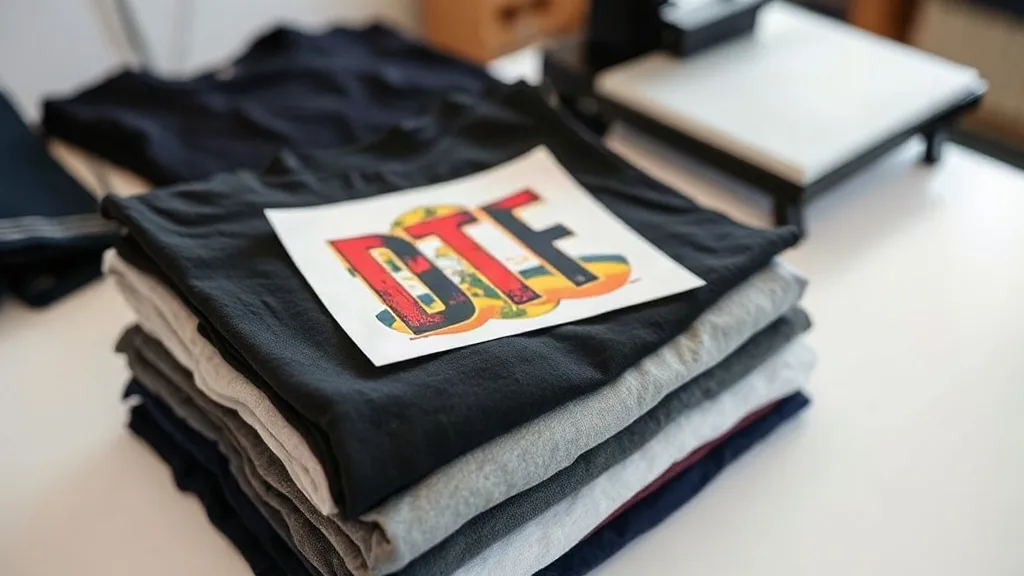
When you hand a customer a finished DTF-printed tee, the first thing they notice isn't the artwork. It's the fabric. The weight, the drape, the way the shirt hangs on the hanger before they even try it on. That first impression decides whether they reach for it again or leave it in the drawer. shaka wear has built a reputation on getting that first impression right, and for DTF printers, understanding how their blanks behave under heat and pressure is the difference between a print that looks custom and one that looks cheap.
This guide digs into fabric weight and drape specifically. Not the general overview you've read a dozen times, but the practical details that affect how your DTF transfers bond, stretch, and age on Shaka Wear blanks.
Why Fabric Weight Matters More Than You Think
Fabric weight is measured in ounces per square yard (oz/yd²). A standard light tee sits around 4.3 oz, a mid-weight around 5.3 oz, and a heavyweight starts at 6 oz and climbs from there. Shaka Wear's lineup leans toward the heavier end, with many styles in the 6 to 7 oz range. That extra weight changes everything about how a DTF transfer behaves.
Heavier fabric absorbs heat more gradually. When you press a DTF transfer onto a 6.5 oz cotton tee, the fabric acts as a heat sink. The adhesive powder needs enough sustained temperature to melt and bond with the cotton fibers, but if you blast it with too much heat too fast, the surface can scorch while the adhesive underneath stays undercured. The result is a print that looks fine coming off the press but starts peeling after two washes.
With Shaka Wear blanks, a slightly longer dwell time at a moderate temperature (around 300°F to 310°F for 12 to 15 seconds) tends to produce a more reliable bond than a short, hot press. The fabric mass gives you a wider window to work with, but only if you respect it.
How Drape Affects Print Placement and Perception
Drape is the way a fabric falls and folds. A stiff, heavy tee drapes with structured folds. A lighter, softer tee drapes with fluid lines. Shaka Wear blanks tend to fall into the structured category, especially their heavyweight cotton styles. That structure is a selling point for streetwear and workwear, but it also means print placement needs more thought.
On a structured tee, a large chest print can look rigid if it sits too high or too low. The fabric doesn't move with the print; the print moves with the fabric. I've seen DTF transfers that looked perfect on a flat table but looked crooked the moment the shirt was worn because the print was centered on the shirt's flat layout rather than the body's natural drape line. On Shaka Wear heavyweight blanks, it's worth laying the shirt on a curved surface or hanging it before you commit to placement. Small adjustment, big difference in how the finished piece reads.
Choosing the Right Shaka Wear Blank for Your DTF Workflow
Not every Shaka Wear style is built for every DTF job. Here's how to match the blank to the project:
- Heavyweight cotton tees (6 oz and up): Best for bold, large-format DTF prints, especially on dark colors. The fabric holds its shape and supports the weight of a dense transfer without sagging. Ideal for streetwear drops, event merch, and workwear.
- Mid-weight blends: These offer a softer hand and more relaxed drape. DTF prints on blends need slightly lower pressure to avoid the print embossing into the fabric, but the result is a softer, more retail-ready feel. Good for fashion-forward pieces and smaller chest or sleeve prints.
- Long-sleeve and oversized cuts: These styles have more fabric surface area, which means more room for large gangsheets. If you're running a DTF Gangsheet Builder, you can nest multiple prints per sheet and cut waste. Just remember that oversized cuts often have wider sleeves and hems, so measure twice before you commit a full sheet to a layout.
Fabric Color and DTF Ink Interaction
Shaka Wear's color range is one of its strengths, but not all colors behave the same under DTF. White and light pastels show the true vibrancy of your ink. Mid-tones like heather grey or sand can mute bright colors slightly, which is fine if that's the look you want, but a problem if your client expects neon to pop. Dark colors, especially black and navy, require a white ink underbase. If your DTF printer lays down a thin white layer, the final print can look washed out on these heavy fabrics. Test your white ink coverage on a Shaka Wear black tee before you run a full batch.
One more thing: Shaka Wear's dye lots can vary slightly between restocks. If you're printing a large order, order all blanks at once and check color consistency before you start pressing. Nothing hurts a print shop's reputation faster than a run of shirts that don't match.
Pre-Treatment and Pressing Tips for Shaka Wear Blanks
Shaka Wear blanks are typically pre-shrunk, but they still carry some residual moisture and manufacturing starches. A quick pre-press for 3 to 5 seconds at 320°F flattens the fabric and removes surface moisture. Skip this step and you risk steam bubbles under the transfer, especially on heavier fabrics that trap heat.
Use a Teflon sheet or parchment paper between the press and the transfer to protect the fabric surface. Shaka Wear's cotton can develop a sheen if pressed directly at high heat, and that sheen is permanent. Press at 300°F to 310°F with medium pressure (around 40 to 50 PSI) for 12 to 15 seconds. Peel cold or warm depending on your transfer film's instructions. Cold peel is generally safer on heavy cotton because it lets the adhesive cool and set before you pull the carrier away.
Common DTF Problems on Shaka Wear and How to Fix Them
Even experienced printers run into issues. Here are the ones I see most often on Shaka Wear blanks and how to solve them:
- Print feels stiff or rubbery: You're likely over-pressing. Reduce pressure or shorten dwell time. On heavyweight cotton, the fabric already has body; the print doesn't need to add more.
- Edges lift after washing: Under-cured adhesive. Increase dwell time by 2 to 3 seconds or check that your press temperature is accurate with an infrared thermometer.
- Color looks dull on dark blanks: Insufficient white ink underbase or too much pressure during transfer, which pushes the white into the fabric. Try a thicker white layer and lighter pressure.
- Visible press marks around the print: Too much heat or pressure on the platens. Use a pressing pillow or a folded towel under the shirt to distribute pressure evenly.
Why Shaka Wear Fits a DTF Workflow
Shaka Wear blanks are popular with DTF printers for a reason. The fabric weight gives you a stable surface for transfers, the color range supports creative layouts, and the structured drape makes finished pieces look intentional rather than flimsy. But they're not a set-and-forget blank. They reward printers who pay attention to heat, pressure, and placement. If you treat them like a standard lightweight tee, you'll get standard results. If you adjust your process to match the fabric, you'll get prints that feel custom-made, because they are.
Frequently Asked Questions
What press temperature works best for DTF on Shaka Wear heavyweight tees?
Start at 300°F to 310°F with medium pressure for 12 to 15 seconds. Heavyweight cotton needs a slightly longer dwell time than lightweight fabric to ensure the adhesive fully cures. Always verify your press temperature with an infrared thermometer, since dial readings can drift.
Do I need to pre-wash Shaka Wear blanks before DTF printing?
No, pre-washing isn't necessary, but a quick pre-press for 3 to 5 seconds at 320°F is recommended. This removes surface moisture and manufacturing starches that can cause steam bubbles or poor adhesion. Pre-washing can actually introduce wrinkles and shrinkage that complicate placement.
Can I use a DTF Gangsheet Builder for Shaka Wear oversized cuts?
Yes, and it's a smart move for reducing waste. Oversized cuts have more printable surface area, so you can nest multiple prints per sheet. Just measure the actual print area of the garment before you build your gangsheet, since oversized hems and sleeves can eat into your usable space.
Why does my DTF print look dull on Shaka Wear black tees?
Dull prints on dark fabric usually mean the white ink underbase is too thin or you're pressing with too much pressure, which pushes the white into the fabric. Increase your white ink layer thickness and reduce pressure slightly. Test on a scrap blank before running a full batch.
How do I keep DTF prints from cracking on Shaka Wear blends?
Blends stretch differently than 100% cotton, so the print needs to flex with the fabric. Use a transfer film designed for stretch fabrics, avoid over-pressing, and wash inside out in cold water. Cracking often comes from the print being too thick or the adhesive not fully cured, so check both before blaming the blank.