
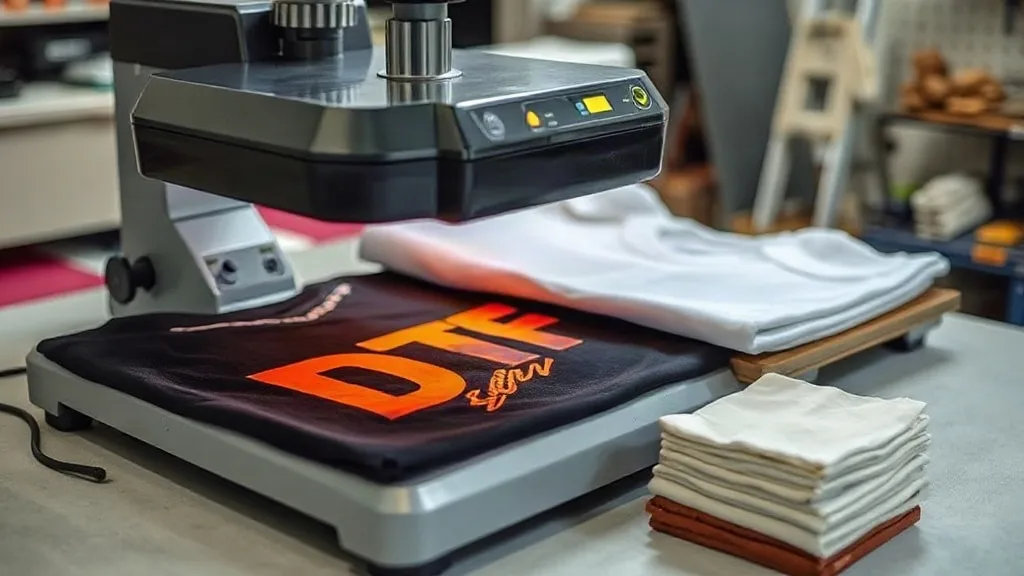
When you first dive into the world of dtf transfers, it's easy to get caught up in the excitement of vibrant colors and intricate designs. But here's the thing: the fabric you choose can make or break your final product. I learned this the hard way after ruining a batch of perfectly good transfers on a fabric that just wasn't compatible. Since then, I've tested dozens of materials, and I want to share what I've found so you can avoid the same headaches.
Why Fabric Choice Matters for DTF Transfers
DTF (Direct to Film) printing has exploded in popularity because it works on almost any fabric. But "almost any" doesn't mean "all." The adhesive used in DTF transfers needs a surface it can bond with, and some fabrics simply don't cooperate. Cotton, for example, is a dream to work with. Polyester? It can be tricky, but with the right settings, it's doable. The key is understanding how different fibers interact with the transfer adhesive and the heat press.
I remember my first attempt on a 100% polyester jersey. The transfer looked great until I washed it, and then it started peeling at the edges. That's when I realized that polyester requires lower temperatures and a bit more patience. So before you start pressing, know your fabric.
Best Fabrics for DTF Transfers
Not all fabrics are created equal when it comes to DTF. Here's a breakdown of the most common materials and how they perform.
100% Cotton
Cotton is the gold standard for DTF transfers. It's forgiving, holds detail well, and the adhesive bonds securely. Whether you're working with t-shirts, tote bags, or canvas, cotton gives you consistent results. Just make sure the fabric is pre-shrunk and free of wrinkles before pressing.
Cotton-Poly Blends
Blends are a mixed bag. A 50/50 blend usually works well, but the higher the polyester content, the more you'll need to adjust your press settings. I've found that a 60/40 cotton-poly blend is a safe bet for beginners. It offers the softness of cotton with the durability of polyester, and the transfer adheres nicely.
Polyester
Polyester can be a diva. It requires lower heat (around 275°F to 300°F) and a shorter press time to avoid scorching or dye migration. Dye migration is a real issue: the fabric's dye can bleed into the transfer, especially with light-colored designs on dark polyester. To combat this, use a low-bleed transfer or a blocker sheet. I always keep a few blocker sheets on hand for these situations.
Nylon and Synthetic Blends
Nylon and other synthetics can be challenging. They often require even lower temperatures and may need a special adhesive. I recommend doing a test press on a small area first. If the transfer doesn't stick, try a different transfer type or consider a different fabric altogether.
Fabrics to Avoid with DTF Transfers
Some fabrics are just not worth the risk. Here's what to steer clear of:
- Waterproof or coated fabrics: The coating prevents the adhesive from bonding.
- Highly textured fabrics (like terry cloth or velvet): The uneven surface makes it hard for the transfer to adhere evenly.
- Fabrics with a high silicone content: Silicone repels the adhesive, leading to peeling.
- Delicate fabrics (silk, lace): The heat and pressure can damage them.
I once tried to press a transfer onto a waterproof jacket, thinking it would be a cool custom piece. The transfer slid right off. Lesson learned.
How to Test Fabric Compatibility
Before you commit to a large order, always do a test press. Here's a simple process I follow:
- Cut a small piece of transfer and press it onto a scrap of the fabric using your usual settings.
- Wait for it to cool completely (at least 24 hours for a true test).
- Check adhesion by gently peeling at a corner. If it lifts easily, the bond isn't strong enough.
- Wash the test piece according to the garment's care instructions. Inspect for peeling, cracking, or fading.
This test saves you from costly mistakes and ensures your final product meets your standards.
Tips for Successful DTF Transfers on Different Fabrics
Even with the right fabric, technique matters. Here are some best practices:
- Pre-press the fabric: This removes moisture and wrinkles, ensuring a smooth surface.
- Use the correct pressure: Medium pressure is usually best. Too little and the transfer won't adhere; too much and you risk flattening the design.
- Mind the temperature: Always follow the transfer manufacturer's recommendations, but adjust based on fabric. Polyester needs lower heat.
- Peel at the right time: Most DTF transfers are cold peel, meaning you wait until they're completely cool before removing the film. Hot peel transfers exist, but they're less common.
- Store transfers properly: Keep them in a cool, dry place away from direct sunlight to prevent the adhesive from degrading.
I keep a notebook with settings for each fabric type I use. It might seem old-school, but it's saved me from repeating mistakes.
Finding Quality DTF Transfers Near You
If you're looking for dtf transfers near me, you're in luck. Local suppliers and online shops like dtfprintsy.com offer high-quality transfers that are compatible with a wide range of fabrics. When ordering, check the specifications: some transfers are designed specifically for cotton, while others work on polyester. Always read the product details and don't hesitate to ask questions. A good supplier will provide guidance on fabric compatibility.
Common Questions About DTF Transfers and Fabrics
Can I use DTF transfers on dark-colored fabrics?
Yes, DTF transfers work on dark fabrics, but you need a transfer with a white ink base. This base layer ensures the colors pop and prevents the fabric from showing through. Without it, your design may look dull or discolored. When ordering, specify that you need transfers for dark garments.
How do I prevent dye migration when using DTF on polyester?
Dye migration happens when the fabric's dye sublimates and bleeds into the transfer. To prevent it, use a low-bleed transfer or a dye blocker sheet. Also, press at a lower temperature (around 275°F) and shorten the press time. Allow the transfer to cool completely before peeling. If you're working with dark polyester and light designs, consider using a poly-specific transfer.
What is the best way to wash garments with DTF transfers?
Turn the garment inside out and wash in cold water on a gentle cycle. Avoid using bleach or fabric softeners, as they can break down the adhesive. Tumble dry on low or hang to dry. Following these care instructions will extend the life of your transfer significantly.
Can I apply DTF transfers to fabric blends with spandex?
Fabrics with spandex (like athletic wear) can be tricky because they stretch. DTF transfers have some elasticity, but if the fabric stretches too much, the transfer may crack. Use a transfer designed for stretch fabrics and press at a lower temperature. Also, consider using a stretch additive or a transfer with a higher elastomer content. Always test on a scrap first.
How long do DTF transfers last on different fabrics?
With proper application and care, DTF transfers can last as long as the garment itself. On cotton, you can expect 50+ washes without significant fading. On polyester, the lifespan may be slightly shorter due to the fabric's tendency to pill, but with gentle washing, you'll still get plenty of wear. The key is to avoid high heat and harsh chemicals.