
In the ever-evolving world of custom apparel, DTF transfers have emerged as a game-changer, offering a unique blend of versatility, durability, and cost-effectiveness that is reshaping how businesses and hobbyists approach printing. Whether you're a seasoned screen printer or a small business owner just starting out, understanding this innovative technology could be the key to unlocking new levels of creativity and profitability. Unlike traditional methods that often require expensive equipment and limited fabric compatibility, DTF (Direct to Film) transfers allow you to print vibrant designs onto virtually any fabric with ease. But what exactly makes this method so revolutionary, and how can you harness its power for your own projects?
As someone who has spent years in the custom printing industry, I've witnessed firsthand the shift from conventional techniques to more agile solutions. When I first tried DTF, I was skeptical about the claims of superior stretchability and washability. However, after producing hundreds of garments with DTF transfers, I can confidently say that this technology delivers on its promises, and it's here to stay.
The Fundamentals: What Are DTF Transfers?
At its core, DTF transfers involve printing a design onto a special PET film using a DTF printer, then applying an adhesive powder to the wet ink. After curing the powder, the film is cut to shape and later transferred onto fabric using a heat press. This process differs significantly from screen printing or vinyl, as it does not require pre-treatment of the garment, and it adheres well to both cotton and polyester blends, making it incredibly versatile.
The beauty of DTF lies in its simplicity. With just a printer, powder, and heat press, you can produce high-quality prints with vibrant colors and intricate details. The ability to print on demand means you can offer a wide range of designs without holding large inventories, which is a boon for small businesses and print-on-demand services.
The Advantages Over Traditional Printing Methods
When comparing DTF to other popular methods, several advantages become apparent.
Fabric Versatility
Unlike sublimation, which only works on polyester or light-colored fabrics, DTF transfers can be applied to cotton, polyester, blends, denim, and even leather. This opens up a world of possibilities for apparel decoration, allowing you to create custom shirts, hoodies, bags, and more without worrying about fabric limitations.
Superior Color and Detail
DTF printing uses CMYK plus white ink, enabling it to achieve vibrant, opaque colors on dark fabrics. The prints are also highly detailed, making it an excellent choice for designs with small text, gradients, or photographic elements. I've seen DTF prints retain their sharpness even after multiple washes, which is often a challenge with other methods.
Cost-Effectiveness for Short Runs
Setting up screen printing requires screens and significant time, making it cost-prohibitive for short runs. DTF, on the other hand, has minimal setup costs. You can print one or many pieces with the same efficiency, making it ideal for custom orders and prototypes.
Ease of Use and Low Maintenance
Operating a DTF printer is relatively straightforward compared to a screen printing press. The equipment footprint is smaller, and maintenance is less demanding. This makes DTF accessible to beginners and small operations that may not have the space or budget for traditional setups.
The DTF Process: Step-by-Step
To fully appreciate the technology, let's walk through the production of a DTF transfer, from design to finished garment.
- Design Creation: Start by creating or selecting your artwork using graphic design software. The design is then sent to the DTF printer with the appropriate color profile.
- Printing: The printer applies ink to the PET film, laying down white ink first (if printing on dark fabrics), followed by CMYK colors. This ensures opacity and color accuracy.
- Applying Adhesive Powder: While the ink is still wet, a hot-melt adhesive powder is applied evenly over the printed area. These powder particles are what will bond the transfer to the fabric.
- Curing: The film is passed through a dryer or oven to melt the powder, which encapsulates the ink and forms a strong adhesive layer.
- Cutting: Once cured, the film is cut along the design's outline, either manually or using a cutting plotter. This step separates the transfer from the surrounding film.
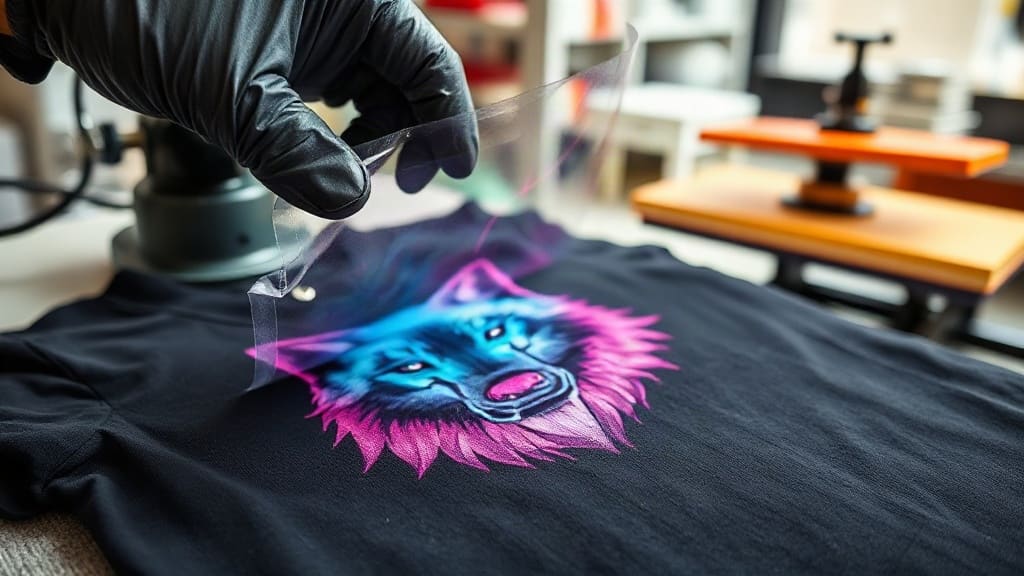
- Heat Pressing: The transfer is placed on the garment, and a heat press applies pressure and heat (typically around 320°F) for 10-15 seconds. After cooling, the film is peeled away, leaving the print on the fabric.
This process may seem involved, but once you have the setup, it's remarkably efficient. Many printers even offer integrated powder shakers and dryers, streamlining the entire workflow.
Common Pitfalls and How to Avoid Them
While DTF is forgiving, there are a few common mistakes that can affect print quality and durability.
Incorrect Powder Application
Too much powder can lead to a thick, rubbery feel and may also crack, while too little powder results in poor adhesion. It's essential to apply a uniform layer and use the correct particle size for your fabric type.
Improper Curing
Under-curing leaves the adhesive weak, causing the transfer to peel. Over-curing can cause the ink to become brittle. Use a temperature gun to ensure your dryer reaches the recommended settings for your materials.
Ignoring Fabric Preparation
Although DTF doesn't require pre-treatment, the fabric must be clean and free of wrinkles. Press the garment lightly before applying the transfer to ensure a smooth surface.
Using Low-Quality Films or Inks
Invest in high-quality PET films and inks designed specifically for DTF. Cheap alternatives may not adhere well or may produce dull colors, leading to customer dissatisfaction.
DTF Transfers vs. Other Popular Methods: A Comparative Look
To make an informed decision, it's helpful to see how DTF stacks up against other common techniques.
DTF vs. Screen Printing
Screen printing is renowned for its durability and cost-effectiveness on large quantities, but it requires significant setup and is less flexible for intricate designs. DTF offers comparable durability and excels in small to medium runs, with the ability to handle complex, full-color artwork without additional screens.
DTF vs. Vinyl (Heat Transfer)
Vinyl is great for simple, solid-color designs, but it lacks the color range and detail of DTF. Vinyl also tends to feel stiffer and can crack over time. DTF prints are softer and more stretchable, making them more comfortable on garments.
DTF vs. Sublimation
Sublimation produces permanent, vibrant prints but only works on polyester or polymer-coated items. DTF is more versatile, adhering to a wide range of fabrics, and it can also be used on non-fabric surfaces like mugs and mousepads.
The Environmental and Economic Impact
Beyond the technical benefits, DTF transfers also present economic and environmental advantages. The on-demand nature reduces waste, as you only produce what you sell. Additionally, water-based inks are available, which are more eco-friendly than plastisol used in screen printing.
For entrepreneurs, DTF levels the playing field, enabling small startups to compete with large-scale printers without massive upfront investments. The ability to offer a wide variety of designs and low minimum order quantities allows businesses to test the market with minimal risk.
Tips for Getting Started with DTF Transfers
If you're ready to dive into the world of DTF, here are some practical tips based on my experience:
- Start Small: Purchase a reliable DTF printer (like the Epson F2100 or a modified Epson XP model) and essential supplies. Don't invest in top-of-the-line equipment until you've mastered the basics.
- Use Pre-Made Transfers: If you're not ready to print your own, many suppliers offer custom DTF transfers. This allows you to test the market without upfront investment.
- Test, Test, Test: Always run a test print on the exact fabric and color you intend to use. Different materials can affect adhesion and final appearance.
- Fine-Tune Your Settings: Keep a log of temperature, pressure, and time for different fabrics. This will help you achieve consistent results.
- Invest in a Good Heat Press: A clamshell or swing-away press with precise temperature control is crucial for quality transfers.
Future Trends in DTF Technology
The DTF industry is continuously evolving. We're seeing advancements in powder formulations that improve stretchability and softness, as well as more efficient printers with higher resolution. Some manufacturers are developing inks with special effects, such as metallic or glow-in-the-dark, opening new creative avenues.
Additionally, as the technology becomes more mainstream, we can expect prices to drop, making DTF accessible to even more businesses. The integration of DTF with automated systems could also streamline production for larger operations.
Frequently Asked Questions
How long do DTF transfers last on garments?
When applied and cared for properly, DTF transfers can last as long as the fabric itself. They are highly wash-resistant, withstanding over 50 washes without significant fading or cracking. To maximize longevity, wash garments inside out in cold water and avoid using chlorine bleach.
Can DTF transfers be used on any fabric?
Yes, DTF transfers work on a wide variety of fabrics, including cotton, polyester, blends, nylon, and even leather. However, the transfer may not adhere as strongly to heavy materials like canvas or those with a very rough texture, so it's always best to test a sample first.
What is the cost difference between DTF and screen printing?
For small quantities, DTF is more cost-effective because there are no screen setup fees. For large bulk orders, screen printing may still be cheaper per piece due to economies of scale. As a rule of thumb, DTF is ideal for runs under 100 pieces, while screen printing is better for 100 or more.
Do I need special training to operate a DTF printer?
Basic computer and design skills are helpful, but most DTF printers come with user-friendly software and guides. Many suppliers offer training videos and customer support. With a little practice, you can be producing quality transfers in no time.
Can I use DTF transfers on non-apparel items?
Absolutely! DTF transfers are not limited to clothing. They can be applied to tote bags, hats, mouse pads, phone cases, and other accessories as long as the surface can withstand heat press temperatures.
Conclusion: Embrace the DTF Revolution
In the dynamic world of custom printing, DTF transfers stand out as a revolutionary tool that combines versatility, quality, and efficiency. Whether you're a professional looking to expand your offerings or a hobbyist seeking to create unique gifts, DTF provides an accessible path to producing stunning, durable prints on a wide range of fabrics. By understanding the process, avoiding common pitfalls, and staying informed about technological advancements, you can leverage DTF to its full potential. So why not give it a try? Your next masterpiece might be just a heat press away.