
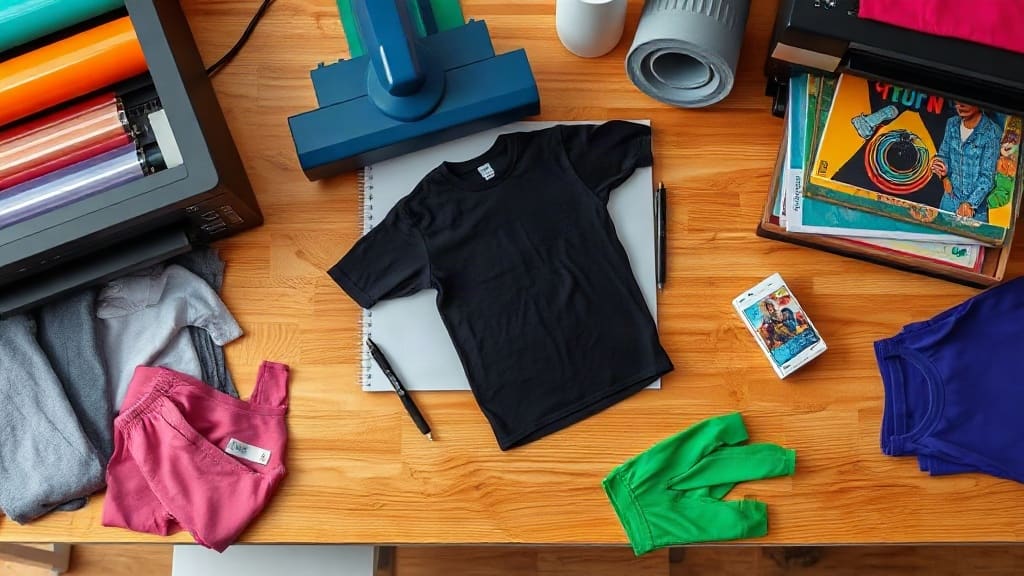
DTF transfers are taking the custom apparel world by storm. If you've been looking for a way to print vibrant designs on dark and light fabrics without the hassle of screen printing, this is it. I remember when I first tried DTF printing at a local trade show, I was amazed by the color pop and the soft hand feel. It felt like the future of garment decoration had arrived, and honestly, it's only getting better.
In this guide, I'll walk you through everything you need to know about DTF transfers, from the basics of how they work to turning them into a profitable business. Whether you're a hobbyist, a small business owner, or just curious about this printing method, you'll find practical insights based on real experience and industry knowledge.
What Exactly Are DTF Transfers?
DTF stands for Direct to Film. Instead of printing directly onto a shirt, you print your design onto a special PET film, apply adhesive powder, and then heat press the film onto the garment. The result is a durable, stretchable, and vibrant print that works on cotton, polyester, blends, and even hard surfaces like bags or caps.
The process might sound complex, but once you get the hang of it, it's surprisingly simple. For someone like me who started with vinyl and heat transfer paper, DTF felt like a huge upgrade. You don't need to weed anything, you can print full-color designs with gradients and details, and the prints last wash after wash.
Why DTF Transfers Have Become So Popular
There are several reasons why DTF transfers have become a go-to choice for print shops and entrepreneurs:
- Versatility: DTF works on a wide range of fabrics, including those tricky 100% polyester jerseys that often cause issues with other methods.
- Durability: The adhesive layer creates a strong bond, so prints can stretch without cracking. I've tested DTF prints on gym wear, and they held up perfectly after dozens of washes.
- No Weeding: Unlike heat transfer vinyl, there's no manual cutting or weeding, which saves hours of labor.
- Cost-Effective for Small Runs: You can print one shirt or a hundred without significant setup costs, making it ideal for print-on-demand.
How to Start a DTF Transfers Business
Thinking about starting your own DTF business? It's a smart move. The demand for custom apparel is huge, and DTF allows you to offer high-quality prints with low startup costs compared to screen printing. Here's a step-by-step roadmap from my own experience.
1. Get the Right Equipment
To produce your own DTF transfers, you'll need a few key pieces of equipment:
- A DTF printer: This is typically an Epson or other inkjet printer converted for DTF printing. You can buy a ready-made DTF printer or convert an existing one.
- Heat press: A clamshell or swing-away heat press is essential for applying the transfers. Make sure it can reach at least 350°F (175°C).
- Shaker or powder applicator: This applies the hot-melt adhesive powder to the printed film.
- Pneumatic roller or curing oven (optional but recommended for larger production): For curing the powder evenly, especially if you're doing high volumes.
If you're just starting, you might consider outsourcing the actual printing to a company like dtfprintsy.com and only buying a heat press to apply the transfers. That way, you can test the waters without a huge investment.
2. Choose a Reliable Supplier
If you decide to outsource, picking the right supplier is crucial. Look for a company that offers high-quality prints, fast turnaround, and competitive pricing. I've had great experiences with suppliers that provide detailed proofing and use premium inks and films. It makes a huge difference in the final product.
3. Set Up Your Workspace
You don't need a huge factory. A small table for your heat press and a clean area for handling transfers is enough. Ensure good ventilation and a stable power supply. I started in my garage, and it worked perfectly for the first few months.
4. Understand Your Costs
Pricing your products correctly is vital. Calculate the cost of the transfer itself, the blank garment, and your time. As a rule of thumb, many businesses aim for a 50% profit margin on each item. For example, if a transfer costs you $3 and a shirt costs $5, you might sell the finished product for $15 to $20.
How to Apply DTF Transfers Like a Pro
Applying DTF transfers is straightforward, but there are nuances that affect the final result. Here's my tried-and-true process:
- Pre-press the garment for a few seconds to remove moisture and wrinkles. This helps the transfer adhere better.
- Place the transfer onto the garment with the film side up (the printed side facing down).
- Press with medium to firm pressure at 320°F to 350°F for 10 to 15 seconds. The exact time depends on the fabric and the transfer's thickness.
- Peel the film while it's still warm (hot peel) or after a few seconds (cold peel), depending on the manufacturer's instructions. Most DTF films are designed for hot peeling, but always check.
- Cover with a Teflon sheet or parchment paper and press again for 5 to 10 seconds to fully cure the adhesive and enhance washability.
One mistake I made early on was not pre-pressing enough, which led to poor adhesion on some shirts. Now I always pre-press for at least 3 seconds, and my results are much more consistent.
Common Mistakes to Avoid with DTF Transfers
Even experienced printers can run into issues. Here are some common pitfalls and how to avoid them:
- Skipping the pre-press: As I mentioned, this can cause the transfer to peel off after a few washes.
- Using the wrong temperature: Too low, and the adhesive won't melt; too high, and you might scorch the fabric or film.
- Not applying enough pressure: Firm, even pressure is essential for a solid bond.
- Washing too soon: Wait at least 24 hours before washing a new DTF printed garment to allow the adhesive to fully set.
DTF Transfers vs. Other Printing Methods
How do DTF transfers compare to other popular methods? Let's break it down.
DTF vs. Screen Printing
Screen printing is excellent for large orders of the same design, as the per-unit cost drops significantly. However, it requires a lot of setup, and each color needs a separate screen. DTF is more flexible for small orders and full-color designs. If you're doing on-demand or low-quantity orders, DTF wins.
DTF vs. DTG (Direct to Garment)
DTG prints directly onto the shirt and is great for soft, detailed prints. But DTG works best on 100% cotton and requires expensive pre-treatment for dark shirts. DTF can print on a wider variety of fabrics and has a softer hand feel than DTG on many materials. Plus, DTF transfers can be stored and applied later, which is perfect for print-on-demand.
DTF vs. Heat Transfer Vinyl
HTV is great for simple designs with few colors, but it requires weeding and can't reproduce complex gradients easily. DTF offers full-color capability and no weeding, making it a more efficient choice for detailed artwork.
Creative Ways to Use DTF Transfers
The possibilities are endless. Beyond t-shirts, you can use DTF transfers on:
- Hoodies and sweatshirts for a cozy, durable print.
- Tote bags, caps, and aprons for promotional items.
- Sports jerseys and performance wear with high stretchability.
- Pet apparel and accessories for a fun niche.
- Custom merchandise for events, schools, and businesses.
I once created custom pet bandanas for a local animal shelter fundraiser. They were a hit, and the prints survived multiple washes without fading, which was a nice testament to DTF's durability.
Scaling Your DTF Transfers Business
Once you've mastered the basics, you'll want to grow. Here are some strategies that have worked for me and others in the industry:
- Diversify your product offerings: Don't just do t-shirts. Add hoodies, hats, and even non-apparel items to attract more customers.
- Optimize your workflow: Batch similar orders together to speed up pressing. Organize your workspace to minimize movement.
- Invest in better equipment: As your volume increases, consider a dual-pressure heat press or a pneumatic press for faster production.
- Market your services: Use social media to showcase your work. Before and after videos of the DTF process are very engaging.
- Offer white-label or wholesale services: Partner with local boutiques or online sellers to produce their custom items.
Frequently Asked Questions
How many washes do DTF transfers last?
With proper application and care, DTF transfers can last 50 or more washes without fading or cracking. I've seen prints that held up for over a year of regular use. The key is to apply them correctly and follow care instructions, like washing inside out in cold water and avoiding harsh detergents.
Can DTF transfers be used on dark shirts?
Yes, that's one of the major advantages. Unlike some printing methods that require a white underbase, DTF prints are designed to show up vividly on dark fabrics. The white ink layer in the transfer ensures opacity.
Do I need a special printer for DTF transfers?
Yes, you need a DTF printer that uses pigment inks and white ink. You can buy a dedicated DTF printer or convert a compatible inkjet printer. It's also possible to outsource your printing and only apply the transfers, which is a good starting point.
What is the average cost of a DTF transfer?
The cost depends on the size, complexity, and quantity. For a standard 8x10 inch transfer, you might pay anywhere from $1 to $5 each when ordering in bulk. Individually, they can be more expensive. When I outsource, I look for suppliers that offer volume discounts and free shipping to keep costs low.
How do I store DTF transfers?
Store them in a cool, dry place away from direct sunlight. Keep them flat or rolled, but avoid folding, as creases can damage the film. I keep mine in a zip-lock bag with a desiccant pack to prevent moisture damage.
Final Thoughts
DTF transfers have truly revolutionized the custom printing industry. They offer a perfect blend of quality, versatility, and affordability, making them accessible to anyone from hobbyists to large-scale producers. Whether you're looking to start a side hustle or expand your existing print shop, DTF is a smart investment.
If you're ready to dive in, I recommend starting with a reliable supplier to get high-quality transfers and a decent heat press. Experiment with different garments and designs to understand the process. Before you know it, you'll be producing stunning prints that your customers will love.
Remember, the key to success is not just the technology but how you use it. Focus on providing value, listening to your customers, and continuously improving your craft. The world of DTF transfers is full of potential, and I'm excited to see what you create.