
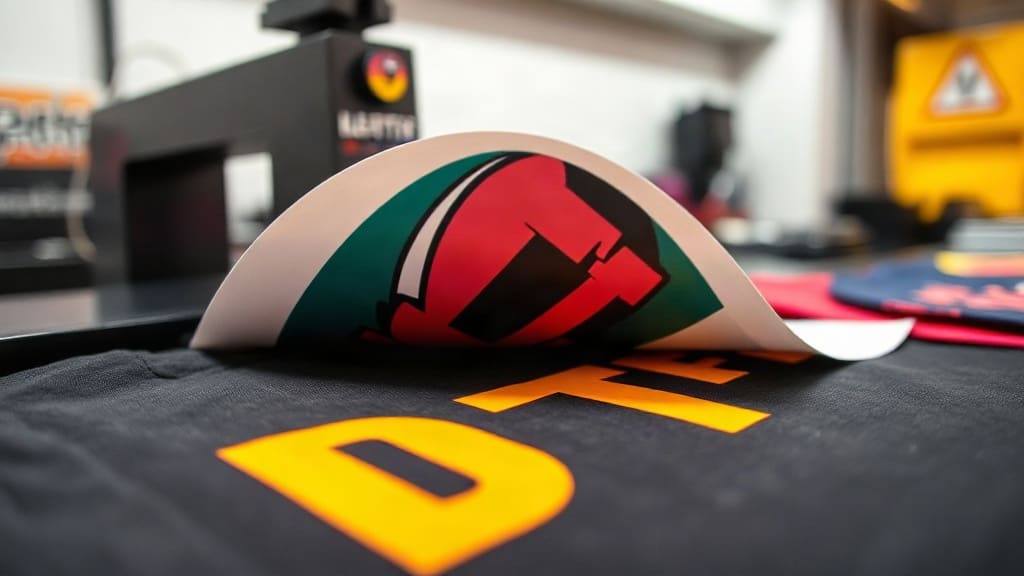
When you're running a custom apparel business or just love creating personalized garments, finding reliable DTF transfers near me can make all the difference. I remember the days when I had to wait for weeks for transfers to arrive from overseas, and the quality was hit or miss. That's why many print shops are turning to local sources for their DTF needs. In this guide, I'll share what I've learned about finding the best local suppliers, what to look for in terms of quality, and how to build a partnership that benefits your business.
Why Local DTF Transfers Are a Game Changer
There's a certain convenience that comes with sourcing your materials locally. When I started using local DTF printers, my turnaround times improved drastically. Not only did I save on shipping costs, but I also had the advantage of seeing and feeling the product before committing to a bulk order. This hands-on approach helped me catch issues early and build trust with my supplier.
Another benefit is the ability to collaborate. If you need a specific color or a unique texture, you can discuss it in person or over the phone. Local suppliers often have more flexibility to accommodate special requests because they aren't bound by the constraints of international shipping. Plus, supporting local businesses creates a sense of community that can lead to referrals and long-term partnerships.
What to Look for in a Local DTF Transfer Supplier
Not all DTF transfers are created equal. To ensure you're getting top-notch quality, here are some key factors to consider when evaluating potential suppliers.
Print Quality and Resolution
The first thing to check is the print resolution. High-quality DTF transfers have crisp details and vibrant colors. Ask to see samples or request a test transfer. Look for smooth gradients, sharp text, and no banding or pixelation. A good supplier will be proud to show off their work.
Material and Durability
The transfer film and adhesive powder used play a huge role in how the final product looks and lasts. Ideally, the transfer should feel thin and flexible, not thick or plasticky. After washing, the design should remain intact without cracking or peeling. I always recommend doing a wash test on a sample before placing a large order.
Color Accuracy
Color matching is critical, especially if you have brand colors. A reliable supplier will use color management systems to ensure the printed colors match your expectations. Ask about their color profile and whether they can match Pantone colors. If they hesitate, that's a red flag.
Turnaround Time
Fast turnaround is often the main reason people search for DTF transfers near me. However, speed shouldn't compromise quality. Inquire about their production schedule and how quickly they can handle rush orders. A good supplier will be transparent about their capabilities.
How to Find DTF Transfer Suppliers in Your Area
Finding local DTF transfer providers is easier than you might think. Here are some practical steps to locate them:
- Search Online: Use specific keywords like "DTF transfer printing near me" or "DTF suppliers in [your city]". Look for businesses with active websites and social media profiles.
- Check Local Directories: Websites like Yelp, Yellow Pages, and Google Maps can help you discover nearby options. Read reviews to gauge customer satisfaction.
- Visit Trade Shows: Industry events and local craft fairs often have vendors offering printing services. This is a great opportunity to see their work in person.
- Ask for Recommendations: Network with other local business owners or join online forums and Facebook groups for print shop owners. Personal referrals can lead to trustworthy suppliers.
- Contact Your Local Print Alliance: Some regions have associations that list members. They might be able to point you in the right direction.
Once you have a list of candidates, don't hesitate to reach out and ask questions. A reputable supplier will be happy to provide information about their process, pricing, and turnaround times.
Comparing Prices and Value
Price is always a factor, but it shouldn't be the only one. I've learned that the cheapest option often costs more in the long run due to wasted materials and dissatisfied customers. When comparing quotes, consider the entire package: transfer quality, support, and reliability.
Ask about volume discounts and tiered pricing. Some suppliers offer better rates for bulk orders, which can be beneficial if you have consistent demand. Also, check if they charge extra for setup or if there are hidden fees. Transparency in pricing is a good sign of a professional supplier.
Testing Your Supplier: A Step-by-Step Approach
Before committing to a full production run, I always test a new supplier with a small batch. Here’s my process:
- Order a Sample Pack: Many suppliers offer sample packs with various designs or fabric types. This allows you to evaluate their printing on different materials.
- Apply and Wash Test: Press the transfers onto your garments using the recommended settings. Then, wash them multiple times to see how they hold up. Look for any fading, cracking, or peeling.
- Run a Small Batch: Once you're satisfied with the samples, place a small order to test their consistency and reliability. Monitor their communication and delivery timelines.
- Evaluate Customer Service: How they handle issues is crucial. If there's a problem with an order, do they respond quickly and offer solutions? Excellent customer service is just as important as product quality.
By following this approach, you can avoid costly mistakes and build a relationship with a supplier who meets your standards.
Common Mistakes to Avoid
Over the years, I've seen many people make the same errors when searching for local DTF transfers. Here are some pitfalls to steer clear of:
- Ignoring Quality for Price: A low price might be tempting, but if the quality is poor, you'll end up with unhappy customers and wasted money.
- Not Asking for Samples: Always request samples before placing a large order. Seeing the product in person is the only way to truly assess its quality.
- Overlooking Communication: If a supplier is slow to respond or unclear in their emails, that's a red flag. Clear communication is essential for a smooth workflow.
- Forgetting to Check Reviews: While not everything online is accurate, a pattern of negative reviews can indicate recurring issues. Pay attention to what others are saying.
- Skipping the Wash Test: Some designs look great initially but fail after a few washes. Always test durability.
Avoiding these mistakes can save you a lot of headache in the future.
Building a Long-Term Relationship
Once you find a supplier that meets your expectations, it's wise to nurture that relationship. Consistent orders and reliable communication can lead to better pricing, priority treatment, and even exclusive designs. When I established a steady partnership with my local supplier, they started offering me early access to new products and materials, which gave me a competitive edge.
Remember, the goal is not just to find a vendor but to find a partner who understands your business and can grow with you. So, invest time in building that relationship. Visit their facility if possible, get to know the team, and share your feedback openly.
Frequently Asked Questions
What does DTF stand for?
DTF stands for Direct to Film. It's a printing method where a design is printed onto a special film, then transferred to fabric using heat and pressure. This technique is popular for its vibrant colors and durability.
How long do DTF transfers last?
When applied correctly and cared for properly, DTF transfers can last as long as the garment itself. They can withstand multiple washes without cracking or fading, making them a great choice for custom apparel.
Can I use DTF transfers on any fabric?
DTF transfers work best on cotton, polyester, and blends. They can also be used on other materials like nylon, but the results may vary. It's always a good idea to test on a small area first to ensure the transfer adheres properly.
How much do DTF transfers cost?
The cost depends on factors like size, complexity, and quantity. Generally, DTF transfers are more affordable than screen printing for small batches. Local suppliers might have different pricing structures, so it's best to request a quote based on your specific needs.
What equipment do I need to apply DTF transfers?
To apply DTF transfers, you'll need a heat press. The recommended temperature and pressure vary by manufacturer, but typically around 320°F (160°C) for 15 seconds. Make sure to follow the supplier's instructions for the best results.
Finding the right DTF transfers near me is more than just a search for convenience; it's about securing a resource that can elevate your products and streamline your workflow. By following the tips in this guide, you'll be well on your way to establishing a successful partnership with a local supplier. Remember, the key is to prioritize quality, test thoroughly, and build lasting relationships. Happy printing!