
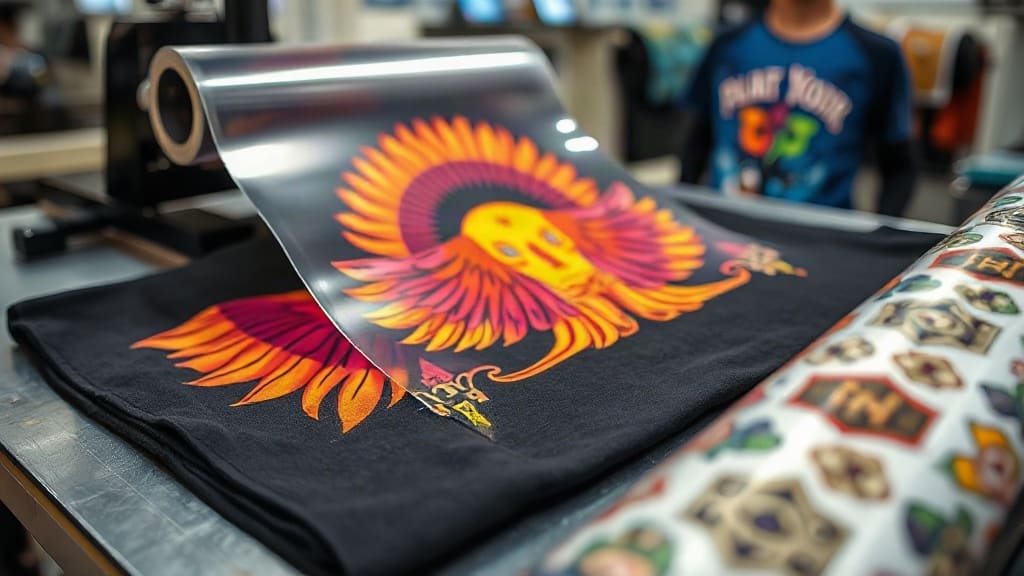
If you're in the custom printing world, you've likely heard about dtf transfers and wondered if they live up to the hype. As someone who has experimented with various printing methods over the years, I can tell you that DTF (Direct to Film) has revolutionized the way we approach apparel decoration. Unlike traditional screen printing or vinyl, DTF offers incredible versatility, vibrant colors, and a soft hand feel that customers love. In this comprehensive guide, I'll walk you through everything you need to know about DTF transfers, from how they work to tips for getting the best results.
What Are DTF Transfers?
DTF transfers are a modern printing technique where a design is printed onto a special PET film using a DTF printer and then transferred onto fabric using a heat press. The process involves printing a mirror image of the design with CMYK colors and white ink, then applying an adhesive powder that melts during the heat press, bonding the design to the fabric. The result is a vibrant, durable print that can be applied to a wide range of materials, including cotton, polyester, nylon, and blends.
The DTF Process Step by Step
- Design Creation: Create your artwork in a design software, ensuring it has a resolution of at least 300 DPI.
- Printing: Use a DTF printer to print the design onto a PET film. The printer lays down white ink first (for opacity), then CMYK colors.
- Powder Application: While the ink is still wet, apply a hot-melt adhesive powder to the printed film. This powder is what allows the transfer to stick to the fabric.
- Drying: Shake off excess powder and dry the film to cure the adhesive. This can be done with a heat source or a dedicated drying unit.
- Heat Press: Place the film on your garment (printed side up) and press it with a heat press at around 160°C (320°F) for 15-20 seconds with medium pressure.
- Peel: After pressing, peel the film away. If you used hot peel, do it immediately; if cold peel, wait for it to cool.
Why DTF Transfers Are a Game Changer
DTF transfers have gained massive popularity because they solve many problems associated with other methods. Let's compare them with common alternatives:
DTF vs. Screen Printing
Screen printing requires creating screens for each color, which is costly for small runs. DTF is more economical for low quantities and allows for detailed, multi-color designs without setup fees. However, for very large bulk orders, screen printing may still be more cost-effective per unit.
DTF vs. Vinyl (Heat Transfer Vinyl)
Vinyl is great for simple designs with few colors, but it can't achieve the same level of detail as DTF. DTF transfers allow for gradients, photographic images, and intricate patterns, making it superior for complex designs.
DTF vs. Direct-to-Garment (DTG)
DTG prints directly onto the garment and offers a soft hand feel, but it works best on 100% cotton. DTF is more versatile, working on various fabrics including polyester, which is problematic for DTG. DTF also doesn't require pre-treatment, making it faster for small batches.
Key Benefits of Using DTF Transfers
- Versatility: Works on nearly any fabric type, including cotton, polyester, blends, and even leather (with care).
- Vibrant Colors: The white underbase ensures colors pop, especially on dark garments.
- Soft Hand Feel: The print is flexible and doesn't crack easily, providing comfort.
- Durability: DTF prints withstand washing well if applied correctly, lasting for many washes.
- Cost-Effective for Small Orders: No screens or setup fees, making it ideal for custom orders and small batches.
- No Pre-Treatment: Save time and cost compared to DTG.
Essential Equipment and Materials for DTF Transfers
To start with DTF, you'll need the following:
- DTF Printer: Usually an Epson-based printer modified to use DTF inks. Some all-in-one DTF printers are available.
- PET Film: Special film designed to hold the ink and adhesive powder.
- DTF Ink: CMYK plus white ink. Ensure you use quality inks to prevent clogging.
- Adhesive Powder: Hot-melt powder that activates during heat press.
- Shaking Machine: Optional but helpful to evenly coat the film with powder.
- Heat Press: A clamshell or swing-away press with accurate temperature control.
- Curing Oven or Dryer: Some setups use a conveyor dryer to cure the adhesive after powder application.
Tips for Getting Professional Results
I've spent countless hours perfecting my DTF process, and these tips have made a huge difference:
1. Choose the Right Film
Not all PET films are created equal. Some are designed for cold peel, others for hot peel. Also, ensure the film is compatible with your printer and inks. High-quality film will release cleanly and produce sharp details.
2. Master the Powder Application
Too little powder leads to poor adhesion; too much causes a rough texture. Use a shaking machine or shake by hand to cover the film evenly, then remove excess with a light tap. The key is to have a uniform coating.
3. Control Your Heat Press Settings
Temperature, pressure, and time are critical. I recommend pressing at 160°C for 15-20 seconds with medium pressure. But always test on a sample fabric first. Adjust based on the fabric type and the transfer's instructions.
4. Consider Fabric Composition
While DTF works on many fabrics, each has nuances. For example, nylon requires lower temperature to avoid melting. Always do a test press on a scrap piece.
5. Use High-Quality Inks
Cheap inks may fade quickly or clog your printhead. Invest in reputable DTF inks from brands like Epson or specialized manufacturers. This ensures vibrant colors and long-lasting prints.
6. Maintain Your Equipment
Clean your printheads regularly to prevent clogging, especially when using white ink. Store inks properly to avoid sedimentation.
Common Mistakes to Avoid
- Skipping Test Prints: Always do a test print on the actual fabric to ensure correct color and adhesion.
- Using Too High Pressure: Excessive pressure can cause the design to bleed or distort.
- Peeling Too Early: Follow the recommended peel method (hot or cold) based on your film. If you cold peel but peel hot, you might lift parts of the design.
- Not Curing Properly: If the adhesive isn't fully cured, the transfer may not stick. Ensure you dry the film adequately after powder application.
- Ignoring Fabric Care: Advise customers to wash garments inside out in cold water and avoid ironing directly on the print to extend life.
Frequently Asked Questions About DTF Transfers
How long do DTF transfers last on garments?
With proper application and care, DTF transfers can last for many washes, often over 50. The durability depends on the quality of the transfer, the fabric, and how the garment is washed. Always follow the care instructions to maximize lifespan.
Can DTF transfers be used on dark colored fabrics?
Yes, that's one of the biggest advantages of DTF. The white ink underbase ensures that the colors remain vibrant even on black or dark fabrics. Unlike some other methods, DTF doesn't require a special backing or pre-treatment.
What is the difference between DTF and DTG printing?
DTG prints directly onto the garment using a printer, while DTF prints onto a film which is then heat transferred. DTF is more versatile regarding fabric types, doesn't require pre-treatment, and is better for small orders. DTG offers a very soft hand feel but is limited to cotton and requires more setup.
Can I use DTF transfers for small business start-up?
Absolutely. DTF is an excellent entry point for a custom apparel business because the initial investment is lower than screen printing, and you can handle small orders economically. You can start with a single DTF printer and a heat press, and expand as you grow.
Do DTF prints crack or peel over time?
If applied correctly, DTF prints are flexible and resistant to cracking. However, poor application, such as too little adhesive powder or incorrect heat press settings, can lead to peeling. Following best practices will ensure a durable print.
Conclusion
DTF transfers have truly transformed the custom printing industry, offering a perfect blend of quality, versatility, and cost-effectiveness. Whether you're a hobbyist or a growing business, mastering DTF can open up endless possibilities for creating stunning apparel. Start with the right equipment, practice your technique, and you'll be producing professional-grade custom prints in no time. If you're looking for high-quality DTF supplies and transfers, be sure to check out dtfprintsy.com for everything you need.